
The honest truth about artificial turf and pet odor (no bs)
Day 1 -
When we put in artificial turf, I thought we’d solved everything.
No muddy paws.
No dead grass.
No constant watering.
And for a while, it felt like a win.. especially with dogs.
Then one hot afternoon, I opened the back door and caught that smell. Not terrible. Not overpowering. Just enough to make you pause. Dog urine. Warmed up by the sun.
That’s when I realized something important—something most people don’t talk about.
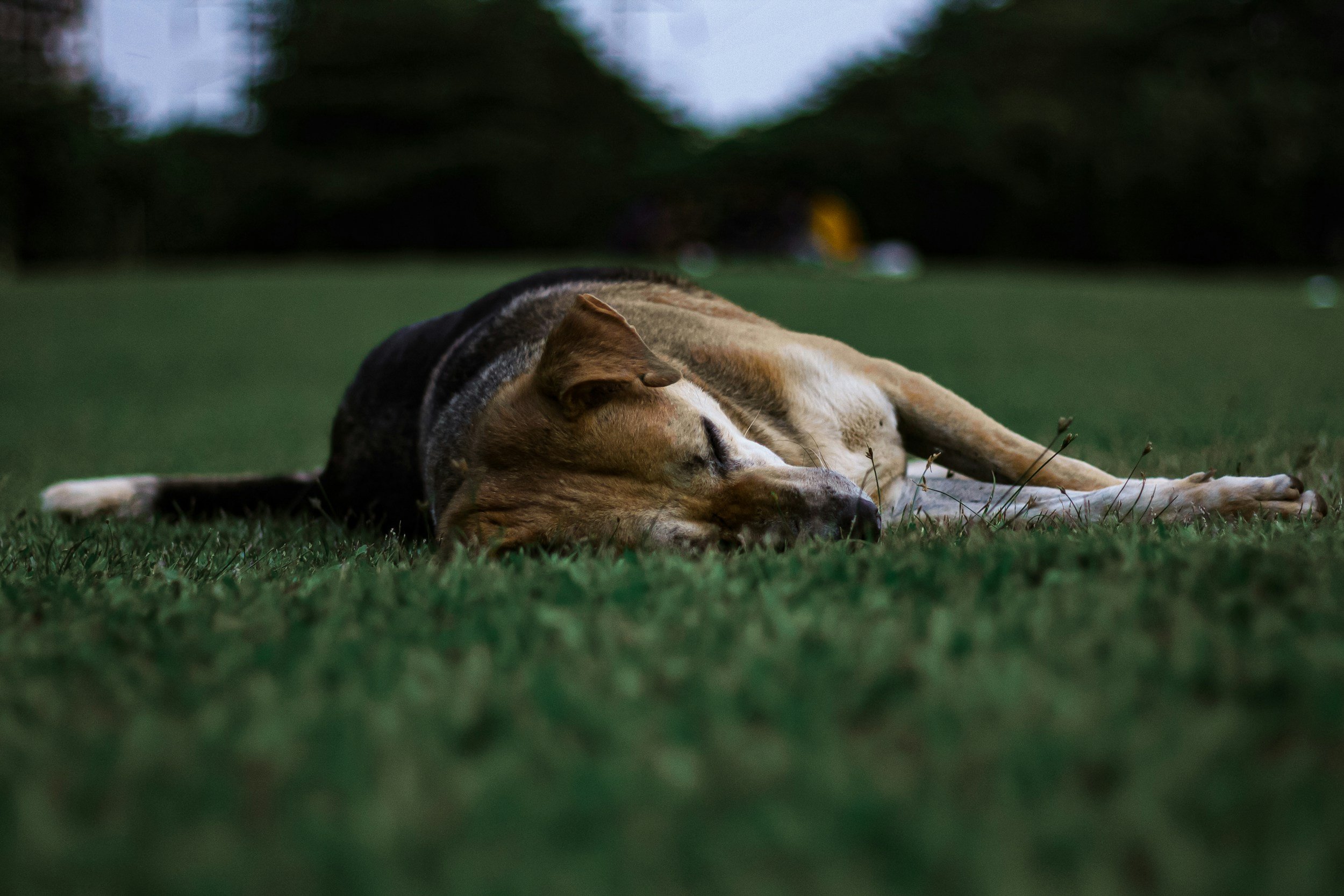
Dog on top of turf
Artificial Turf Is Easier… But It’s Not Effortless
Artificial grass doesn’t work like real soil. On natural grass, urine soaks into the dirt, microbes break it down, and rain helps flush it away. Turf doesn’t have that same natural system.
Liquid goes through the blades and settles into the base underneath. Over time, especially in high-use areas.. that buildup starts to create odor. Heat just makes it louder.
That doesn’t mean turf is bad. It just means it needs the right kind of care.
Yes, Enzyme Cleaners Help But Let’s Be Honest
Enzyme cleaners are great. They’re a necessary part of turf maintenance. They break down bacteria and urine crystals instead of masking the smell, and used regularly, they can keep odors under control.
But here’s the honest part:
They’re not a one-and-done fix.
If urine has been building up for months or years…
If the base layer is saturated…
If the smell comes back every time the sun comes out…
At that point, enzymes alone usually aren’t enough.
It’s like using air freshener in a car that needs a deep interior clean. Helpful—but not a reset.
When DIY Isn’t Enough Anymore
There comes a time when artificial turf needs more than a rinse and a bottle from the store. Deep-set odors require equipment that can flush, extract, and neutralize what’s trapped below the surface.
That’s when calling a professional cleaner actually makes sense.
A professional turf cleaning resets the system. It removes built-up urine salts, bacteria, and residue from the infill and base—things homeowners simply can’t reach with a hose or sprayer.
This is where services like TurfShine come in. They’re designed for situations where the smell isn’t just on the surface anymore. It’s not something you need every month—but when odors are persistent, it can make a noticeable difference.
The Best Approach Is a Combination
Here’s the real-world truth most people land on:
Routine care at home (rinsing, waste pickup, enzyme treatments)
Seasonal or as-needed professional cleaning
Extra attention before hot summer months
That combination is what actually keeps turf smelling clean long-term—especially for households with multiple dogs.
Is Artificial Turf Still Worth It for Pet Owners?
Absolutely. But only with realistic expectations.
Artificial turf removes mud, saves water, and holds up to dogs better than natural grass. What it doesn’t do is eliminate maintenance altogether. Odor control is part of owning turf—just like mowing is part of owning a lawn.
Once you understand that, the frustration disappears.
Final Thought
If your turf smells and you’re wondering what you did wrong.. you didn’t. You just weren’t told the full story.
Enzyme cleaners are a tool.
Professional cleaning is sometimes the reset button.
And together, they keep artificial turf doing what it’s supposed to do.
Clean yard. Happy dogs. No embarrassment when guests come over.